Programming and data
Programming fundamentals, applications, databases and data analysis for engineering tasks.


G7 · Engineering, programming, automation
Learn to connect code with real equipment: from a sensor and industrial controller to a robotic line and an intelligent control system. Bachelor’s study at AEP, Igor Sikorsky Kyiv Polytechnic Institute, brings together theoretical foundations, programming and engineering practice.
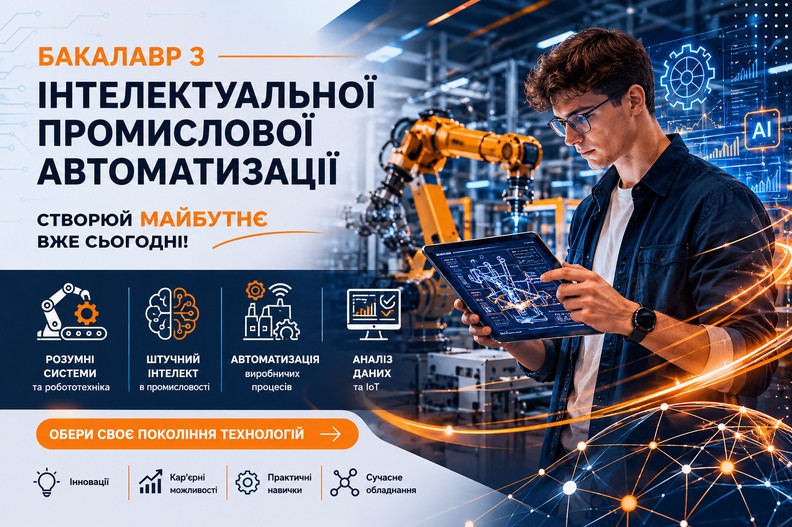
Programming fundamentals, applications, databases and data analysis for engineering tasks.
Mathematics, physics, process modelling and automatic control algorithms.
Industrial controllers, microcontrollers, sensors and robotic systems.
CAD/CAE tools, technical drawings and the design of automation systems.
Networks, SCADA and human–machine interfaces that connect equipment and software.
Industrial IoT, machine learning, digital twins and cyber-physical systems.
Tools described by the department include AutoCAD and EPLAN for design, and TIA Portal for automation. Course sequence and electives are defined by the study-plan edition for each intake.
In industry, artificial intelligence goes beyond text and images. It works with sensors, mechanics and control systems to analyse equipment condition, help identify deviations and adapt the operation of physical systems.
Measure the process
Analyse data
Produces commands
Performs the action
Study connects hardware and software: sensors, PLCs, industrial networks, SCADA, applications and data. A key Industry 5.0 perspective is production where intelligent technologies support people, efficiency and resilient systems.
Automation is used in industry, energy, infrastructure and IT. Engineering foundations support different career directions, from programming and commissioning to systems integration and, with experience, project management and research.
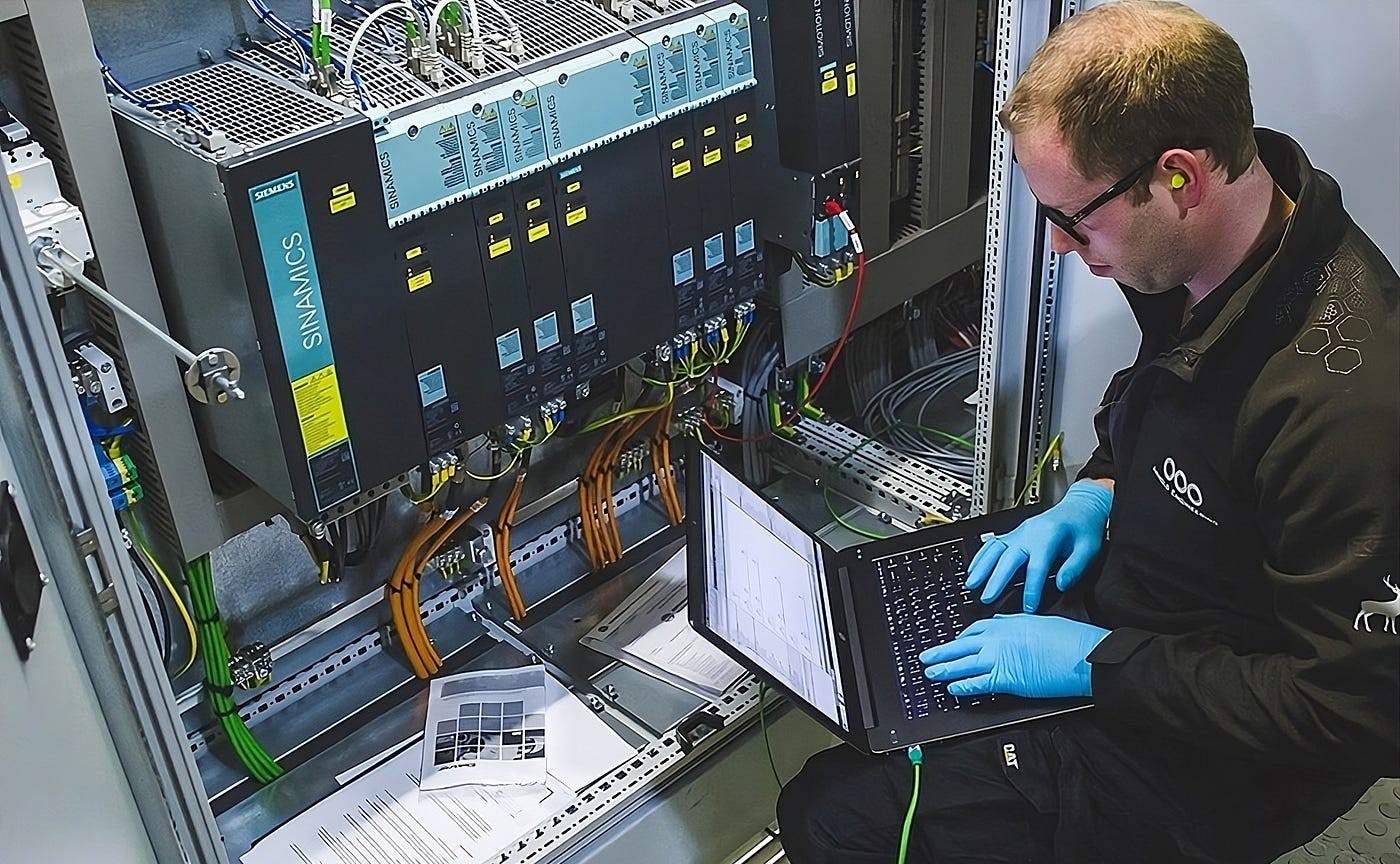
Connects sensors, controllers, networks and software into a working system.
Develops applications, interfaces and tools for data and equipment.
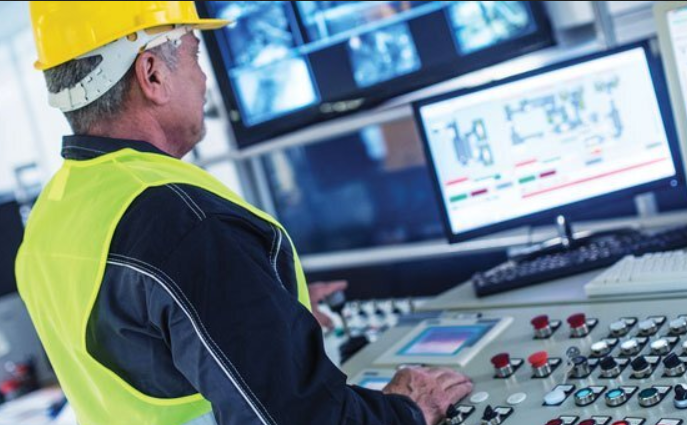
Monitors technological processes using system parameters and operator interfaces.

Coordinates engineering teams, technical requirements and implementation stages.

Prepares technical solutions, drawings and documentation for automation systems.

Configures, tests and commissions equipment and control systems.
From measurement and PLC programming to SCADA and robotics training rigs.
Collaborative engineering tasks, presenting solutions and opportunities for technical competitions and hackathons.
Experience with real equipment and industrial tasks under the study plan; internships depend on opportunities offered by partners.
Investigating a process or developing an automation solution with a substantiated engineering outcome.
The linked topics are a historical selection without an identified academic year, not the current cohort’s topic list.
The published programme specifies 240 ECTS credits over 3 years and 10 months. Check the applicable programme edition and admission offer for your cohort. Linked programme documents are in Ukrainian.
Admission requirements, dates, study modes and fees are set out in the official KPI Admissions Office documents. The department’s admissions page brings together application guidance and links.
International applicants can contact the International Education Centre.